



Từ Vựng - Ngữ Pháp - Bài tập Global success 8


- 0 / 0
-

(Tài liệu chưa được thẩm định)
Nguồn:
Người gửi: Phạm Ngọc Liên
Ngày gửi: 19h:46' 31-05-2023
Dung lượng: 408.0 KB
Số lượt tải: 1066
Nguồn:
Người gửi: Phạm Ngọc Liên
Ngày gửi: 19h:46' 31-05-2023
Dung lượng: 408.0 KB
Số lượt tải: 1066
Số lượt thích:
0 người
FULL BỘ GIÁ ỔN ĐỊNH NHẤT ====>>>>>> XIN LIÊN HỆ ZALO O937-351-107
UNIT 1: LEISURE TIME
PART 1: Vocabulary and Grammar
A. VOCABULARY
1.
Word
adore
Type
(v)
Pronunciation
/əˈdɔː/
Meaning
yêu thích, mê thích
2.
addicted
(adj)
/əˈdɪktɪd/
nghiện (thích) cái gì
3.
beach game
(n)
/biːtʃ ɡeɪm /
trò thể thao trên bãi biển
4.
bracelet
(n)
/ˈbreɪslət/
vòng đeo tay
5.
communicate
(v)
/kəˈmjuːnɪkeɪt/
giao tiếp
6.
community centre
(n)
/kəˈmjuːnəti ˈsentə/
trung tâm văn hoá cộng đồng
7
craft
(n)
/krɑːft/
đồ thủ công
8.
craft kit
(n)
/krɑːft kɪt/
bộ dụng cụ làm thủ công
9.
cultural event
(n)
/ˈkʌltʃərəl ɪˈvent/
sự kiện văn hoá
10.
detest
(v)
/dɪˈtest/
ghét
11.
DIY
(do-it-yourself)
(n)
/diː aɪ ˈwaɪ/
12.
don't mind
(v)
/dəʊnt maɪnd/
hoạt động tự làm, tự sửa chữa
hoặc tự trang trí đồ vật trong
nhà.
không ngại, không ghét lắm
13.
hang out
(v)
/hæŋ aʊt/
đi chơi với bạn bè
14.
be hooked on sth
(phr)
/bi hʊkt ɒn/
đam mê/nghiện cái gì
15.
It's right up my street!
(idiom) /ɪts raɪt ʌp maɪ striːt/
Đúng vị của tớ!
16.
join
(v)
/dʒɔɪn/
tham gia
17.
leisure
(n)
/ˈleʒə(r)/
sự thư giãn nghỉ ngơi
→ leisure activity
muscle
(n)
(n)
(n)
(adv)
(v)
(n)
(n)
/ˈleʒə ækˈtɪvəti/
/ˈmʌsl/
/ˌɒrɪˈɡɑːmi/
/ˌaʊtˈdɔːz/
/priˈfɜː/
/ˈpʌzl/
/ˈsnəʊˌbɔːdɪŋ/
hoạt động lúc rảnh rỗi
cơ bắp
nghệ thuật gấp giấy Nhật
ngoài trời
thích hơn
trò chơi câu đố
trượt tuyết bằng ván
18.
19.
20.
21.
22.
23.
origami
outdoors
prefer
puzzle
snowboarding
PARTS OF SPEECH
1
1. adore
→ adorable
→ adoration
→ adoring
(v)
(a)
(n)
(a)
/əˈdɔː/
/əˈdɔːrəbl/
/ˌædɔːˈreɪʃn/
/əˈdɔːrɪŋ/
: yêu thích
: mê thích, yêu chuộng
: sự yêu mến
: tha thiết, đáng ngưỡng mộ
2. balance
→ balanced
→ # unbalanced
3. addict
→ addicted
→ addiction
→ addictive
4. communicate
→ communication
→ communicative
→ communicator
(n)
(a)
(n)
(n)
(a)
(n)
(a)
(v)
(n)
(a)
(n)
/ˈbæləns/
/ˈbælənst/
/ʌnˈbælənst/
/ˈædɪkt/
/əˈdɪktɪd/
/əˈdɪkʃn/
/əˈdɪktɪv/
/kəˈmjuːnɪkeɪt/
/kəˌmjuːnɪˈkeɪʃn/
/kəˈmjuːnɪkətɪv/
/kəˈmjuːnɪkeɪtə/
: cân bằng, thăng bằng
: ổn định, có lợi cho sức khỏe
: không cân bằng – lành mạnh
: người nghiện, người say mê
: nghiện, say mê
: thói nghiện
: gây nghiện
: giao tiếp
: sự giao tiếp
: cởi mở, thích trò chuyện
: người truyền đạt
PRACTICE
1. His __________________ of his wife is obvious. (adore)
2. Her husband, whom she ____________, confessed that he had been seeing other women. (adoring)
3. Have you seen their new baby - she's simply __________________! (adore)
4. He was a loving husband and, briefly, an __________________ father. (adorable)
5. Pesticides seriously upset the __________________ of nature. (unbalanced)
6. He said he felt __________________ and at peace with his choices. (balance)
7. His relatives have said he became __________________ after the death of his father. (balanced)
8. Some drug __________________ turn to crime to support their habit. (addictive)
9. I know that if I start watching a soap opera, I immediately become hopelessly ___________. (addict)
10. For people with OCD, cleaning can become an __________________. (addicted)
11. Why do some individuals suffer from __________________ problems more than others? (addict)
12. People use more than words when they __________________ with each other. (communicator)
13. There's very little __________________ between mother and daughter. (communicate)
14. He was in a bad mood at breakfast and wasn't very __________________. (communicate)
15. Obviously teachers must be good __________________. (communicate)
2
PART 2: PRACTICE
B – GRAMMAR
GERUND
I – Formation:
Danh động từ (gerund) được thành lập bằng cách thêm ING sau động từ thường.
Eg: to go - going; to think – thinking; to read - reading; to swim - swimming, etc.
II- Usages
1. Subject (Danh động từ làm chủ ngữ)
Eg: Going to the cinema is fan.
Reading books is my hobby.
2. Stand after a preposition (Đứng sau giới từ)
Eg: I am thinking about going camping in the mountain.
She is afraid of going there.
Một số động từ và tính từ có giới từ theo sau bởi danh động từ.
To look forward to (trông mong); surprised at (ngạc nhiên); busy (bận rộn); to insist on (khăng khăng,
nài nỉ); to be interested in (thích thú).
3. Object (Danh động từ làm tân ngữ sau một số động từ)
Eg: He likes swimming.
I have finished doing my homework.
Một số động từ được theo sau bởi danh động từ:
to finish, to prevent (ngăn cản), to avoid (tránh), to delay (hoãn lại), to enjoy (thích), to deny (chối bỏ),
to dislike, to consider (cân nhắc), to imagine (tưởng tượng), to risk (liều lĩnh), to support (ủng hộ), to
suggest (đề nghị), to quit (từ bỏ) ...
Chúng ta cũng có thể đặt “not” trước “gerund” để chỉ nghĩa phủ định.
Một số động từ dùng với cả “to infinitive” và “gerund” (ing -form). Nghĩa của chúng sẽ khác
nhau.
Verbs
Examples
remember
I don't remember posting the letter.
forget
(Tôi không nhớ là đã gửi thư rồi.)
regret
I must remember to post the letter.
(Tôi phải nhớ gửi lá thư.) (<=> chưa gửi.)
like
I don't like getting up so early.
hate
(Tôi không thích dậy sớm.)
prefer
I don't like to wake him up so early.
(Tôi không muốn đánh thức anh ấy dậy sớm.)
stop
She stopped singing. (Cô ấy ngừng hát.)
She stopped to sing. (Cô ấy ngừng lại để hát.)
A- VOCABULARY AND GRAMMAR
Task 1: Old one out.
3
1.
2.
3.
4.
5.
A. skateboarding
A. news
A. adorable
A. poetry
A. peach
B. football
B. comedy
B. detestable
B. magazine
B. broccoli
C. novel
C. cartoon
C. addicted
C. newspaper
C. apricot
D. badminton
D. computer
D. hooked
D. present
D. grape
Task 2: Write the name of the leisure activities under each picture.
1. _________________
2. _________________
3. _________________
4. _________________
5. _________________
6. _________________.
7. _________________
8. _________________
Task 3: Write the correct form of the verbs.
1.
2.
3.
4.
5.
6.
7.
8.
9.
10.
11.
12.
13.
14.
Vietnamese students love __________________ picnic at the weekend.
(go)
I hate __________________ all day on__________________ fishing.
(spend – go)
People in Britain love __________________ tea with milk.
(drink)
Do you like __________________to music.
(listen)
Does Anna fancy__________________ horrible movies.
(watch)
I prefer __________________craft to __________________ a picture.
(make – draw)
Kate loves __________________ with her friends on her birthday.
(hang out)
I detest __________________ fish.
(eat)
Do you mind __________________off the TV?
(turn)
Does she adore __________________with handicapped students?
(work)
Do you fancy __________________ to the cinema this weekend?
(go)
I detest __________________. I think it's cruel to the animals.
(hunt)
Tom enjoys __________________ puzzles, especially Sodoku.
(do)
I am fond of __________________ photos. In my free time, I usually go out and take photos of people
and things.
(take)
15. My sister is keen on __________________. She wants to become a chef in the future. (cook)
4
Task 4: Add the words or phrases in the box to each group.
badminton
novel
museum
cards
yoga
cake
picnic
sport
fishing
DIY
newspaper
to local
tennis
friends
skateboarding
performances
origami
exercise
handmade
a poem
1. Playing: football,
______________________________________________________________________________
2. Doing: judo,
______________________________________________________________________________
3. Making: craft,
______________________________________________________________________________
4. Visiting: relatives,
______________________________________________________________________________
5. Going shopping,
______________________________________________________________________________
6. Reading: book,
______________________________________________________________________________
Task 5: Each of the sentences below has at least one mistake. Identify the mistakes and
rewrite the correct sentences in the spaces.
a. My friends and I are really keen on play computer games.
b. I really like to getting involved in team sports. It is good for building up co-operative skills.
c. Minh especially loving to spend her free time sleeping and being lazy in my room.
d. She enjoys go shopping on weekends and hang out with friends.
e. I am very interested in studying English.
B- SPEAKING
I. Complete the conversation with the words given in the box, then practice it with your partner.
do
o'clock
likes
like
and you
Mai: Do you (1)
roller skating, Mike?
Nick: Yes, I do. I go roller-skating every Saturday!
5
joke
afternoon
take
Mai: Oh, really? Where?
Nick: Well, I go to the park with my friends after school, at about five (2)
.
We roller-skate for about an hour and then we go home.
Mai: I go roller-skating too – but I go on Sunday. I go to the market with my mother in the morning, and
then I (3)
our dog for a walk. Then in the (4)
I go to
the park with my mother.
Nick: Your mother?
Mai: Yes, she (5)
roller-skating too, and she's good!
Nick: And what do you do on Saturday evening?
Mai: Oh, I usually go out with my friends. We have a drink together or go to the cinema. (6)
Nick: Oh, on Sunday I (7)
my homework.
Mai: What? Is that a(n) (8)
?
Nick: No! It's true!
Mai: Oh, Nick! Get a life!
Notes:
- roller-skating (n) = môn trượt pa-tanh; roller-skate (v) = trượt pa-tanh
- Get a life! = Thôi đi nào!
II. Complete the conversation, using the words or phrases given.
lots to see
come back
a good place why don't
somewhere different
Mai: Do you two still want to go away for the weekend – you know, on the 22nd?
Phuc: Yeah, definitely.
Nick: Yeah, I want to …
Mai: Because we talked about going to the countryside, do you remember?
Phuc: Oh, yes, I'd love to go there. People say it's (1)
for walking.
Nick: Mm, it's just that I went there last summer and the summer before. I'd like to try (2)
… a city maybe.
Mai: Yeah, I can understand that.
Phuc: (3)
we go to the suburbs for the weekend? There's something for all of us.
Mai: Yeah, there's (4)
: the temples, the pagodas, the woods.
Nick: It sounds great to me. We all like going out!
Phuc: And we can (5)
on the same day.
Mai: And should we bring some food and drinks with us?
Nick: That's right. It's a good idea, Mai.
Phuc: Great!
III. Put the conversation in the correct order then practice with your partners. The first and the
last are your cue.
A. Phuc: I think that "Adeline" is more interesting.
B. Phuc: Yes, sure. I'm free.
C. Mai: Let's me see. We have "Tomb of the Pharaoh Queen”; “you are my grandma" and "Adeline".
Do you love watching horrible movies or action movies?
6
D. Mai: Ok. See you soon.
E. Phuc: I will pick you up at 7:00. By the way, lend me your English exercise book.
F. Phuc: I am hooked on horrible movies.
G. Mai: Would you like to go to see a movie?
H. Mai: Are you free tonight, Phuc?
I.
Phuc: Yes, I'd love to. Which interesting movies are on?
J. Mai: Ok. So, we'll see "Adeline" in Platinum Movie Center at 7:30 pm.
K. Mai: That's interesting. Me, too. So, we can choose "Tomb of the Pharaoh Queen" or "Adeline".
Your answers:
1. H
2.
3.
4.
5.
6.
7.
8.
9.
10.
11. D
C - READING
I. A new report into teenagers' leisure time has some surprising results. Read it and fill in each blank
with the correct figure from the report.
In this digital age, many people think that young adults spend all their time on the computer. And a
new government survey of how young adults spend their leisure time says that 87 percent of people in the
UK between the ages of 13 to 19 use the Internet every day. But it's still important for young people to go
out with friends. And the most popular evening out is going to the cinema: 42 percent say it's their favorite
way to spend an evening.
For people who don't go out, not surprisingly, television is more popular than radio. 82 percent say
that they watch television for more than ten hours a week – mainly for films and news programmers – but
only 23 percent listen to radio.
Music is always a favorite topic, but it seems that many people listen to music than can play a
musical instrument. The survey reveals that 38 percent watch live music, but 30 percent of people between
13 and 19 can play a musical instrument.
Only 32 percent of young adults play sports; with football, swimming, and cycling as the most
popular activities. But that means that more than two-thirds don't play any sport!
Leisure Time Survey Of Teenagers In The UK
(1)
percent of teenagers use the Internet every day.
The most popular leisure activity is going to the cinema: (2)
percent say it is their favorite
evening activity.
(3)
percent of people say that that they watch TV for more than (4)
hours a
week, but only (5)
percent listen to the radio.
(6)
percent of young people watch live music, but only (7)
percent
can play a musical instrument.
Only (8)
percent of young adults play sports. Football, swimming, and cycling are the most
popular sports.
II.
Read the passage about Phong's weekend and answer the questions.
On Friday's afternoon, after school, I usually surf the Net or listen to music. In the evening I often go
to the cinema with my friends.
On Saturday morning I get up late and have breakfast. Then I play football with my classmates in the
park. In the afternoon I watch TV (usually a football match). In the evening I go to my best friend's place –
we sometimes play computer games, or we talk.
On Sunday morning I do my homework. Then I listen to music or watch TV. On Sunday evening I surf
the Net again or read a book.
7
1. Where does Phong often go on Friday evening?
→ ___________________________________________________________________.
2. When does he play football?
→ ___________________________________________________________________.
3. What does he watch on Saturday afternoon?
→ ___________________________________________________________________.
4. What does he do on Sunday morning?
→ ___________________________________________________________________.
5. When does he surf the Net?
→ ___________________________________________________________________.
III.
Read the passage carefully, and then answer the question below.
In the 1970s, skateboarding suddenly became very popular. At first, skateboarders moved slowly on
flat, smooth areas. Then they began to ride quickly. This is called 'freestyle' skateboarding. Soon they were
skateboarding skillfully up ramps and doing tricks in the air. This is called 'ramp' skateboarding. Then they
started skateboarding and doing tricks on the street. This was 'street-style' skateboarding – a combination of
freestyle and ramp. For this, the skateboarders needed protective clothing such as knee and elbow pads and
helmets. This allowed them to skateboard safely.
Today skateboarding is still a very popular sport, and there are lots of competitions.
Note: skateboarding (n) = môn trượt ván.
1. When did skateboarding become very popular?
→ ___________________________________________________________________.
2. What are the three styles of skateboarding?
→ ___________________________________________________________________.
3. What was 'street-style' skateboarding?
→ ___________________________________________________________________.
4. Why do 'street-style' skateboarders need protective clothing?
→ ___________________________________________________________________.
5. Do you think skateboarding is a very popular sport now? Why or why not?
→ ___________________________________________________________________.
IV.
Read the passage about British and American teenagers and answer the questions.
Sport: In the UK, football, rugby, tennis, and basketball are the most popular sports for teenagers. In the
USA, American football, athletics, basketball, and baseball are popular.
The Internet and television: Teenagers in both the UK and the USA today watch television less than before
but they use the Internet more. They spend over 25 hours a week online.
Pocket money and shopping: The average teenager in the UK gets about £7 a week's pocket money. In the
USA it is about $10. They spend their money on clothes and going out, but magazines, presents and snacks
are also important.
Friends: The average British and American teenager has seven close friends. He or she has sixteen online
friends on social network websites.
1. Which sports do British and American teenagers play in their free time?
FULL BỘ GIÁ ỔN ĐỊNH NHẤT ====>>>>>> XIN LIÊN HỆ ZALO O937-351-107
8
UNIT 1: LEISURE TIME
PART 1: Vocabulary and Grammar
A. VOCABULARY
1.
Word
adore
Type
(v)
Pronunciation
/əˈdɔː/
Meaning
yêu thích, mê thích
2.
addicted
(adj)
/əˈdɪktɪd/
nghiện (thích) cái gì
3.
beach game
(n)
/biːtʃ ɡeɪm /
trò thể thao trên bãi biển
4.
bracelet
(n)
/ˈbreɪslət/
vòng đeo tay
5.
communicate
(v)
/kəˈmjuːnɪkeɪt/
giao tiếp
6.
community centre
(n)
/kəˈmjuːnəti ˈsentə/
trung tâm văn hoá cộng đồng
7
craft
(n)
/krɑːft/
đồ thủ công
8.
craft kit
(n)
/krɑːft kɪt/
bộ dụng cụ làm thủ công
9.
cultural event
(n)
/ˈkʌltʃərəl ɪˈvent/
sự kiện văn hoá
10.
detest
(v)
/dɪˈtest/
ghét
11.
DIY
(do-it-yourself)
(n)
/diː aɪ ˈwaɪ/
12.
don't mind
(v)
/dəʊnt maɪnd/
hoạt động tự làm, tự sửa chữa
hoặc tự trang trí đồ vật trong
nhà.
không ngại, không ghét lắm
13.
hang out
(v)
/hæŋ aʊt/
đi chơi với bạn bè
14.
be hooked on sth
(phr)
/bi hʊkt ɒn/
đam mê/nghiện cái gì
15.
It's right up my street!
(idiom) /ɪts raɪt ʌp maɪ striːt/
Đúng vị của tớ!
16.
join
(v)
/dʒɔɪn/
tham gia
17.
leisure
(n)
/ˈleʒə(r)/
sự thư giãn nghỉ ngơi
→ leisure activity
muscle
(n)
(n)
(n)
(adv)
(v)
(n)
(n)
/ˈleʒə ækˈtɪvəti/
/ˈmʌsl/
/ˌɒrɪˈɡɑːmi/
/ˌaʊtˈdɔːz/
/priˈfɜː/
/ˈpʌzl/
/ˈsnəʊˌbɔːdɪŋ/
hoạt động lúc rảnh rỗi
cơ bắp
nghệ thuật gấp giấy Nhật
ngoài trời
thích hơn
trò chơi câu đố
trượt tuyết bằng ván
18.
19.
20.
21.
22.
23.
origami
outdoors
prefer
puzzle
snowboarding
PARTS OF SPEECH
1
1. adore
→ adorable
→ adoration
→ adoring
(v)
(a)
(n)
(a)
/əˈdɔː/
/əˈdɔːrəbl/
/ˌædɔːˈreɪʃn/
/əˈdɔːrɪŋ/
: yêu thích
: mê thích, yêu chuộng
: sự yêu mến
: tha thiết, đáng ngưỡng mộ
2. balance
→ balanced
→ # unbalanced
3. addict
→ addicted
→ addiction
→ addictive
4. communicate
→ communication
→ communicative
→ communicator
(n)
(a)
(n)
(n)
(a)
(n)
(a)
(v)
(n)
(a)
(n)
/ˈbæləns/
/ˈbælənst/
/ʌnˈbælənst/
/ˈædɪkt/
/əˈdɪktɪd/
/əˈdɪkʃn/
/əˈdɪktɪv/
/kəˈmjuːnɪkeɪt/
/kəˌmjuːnɪˈkeɪʃn/
/kəˈmjuːnɪkətɪv/
/kəˈmjuːnɪkeɪtə/
: cân bằng, thăng bằng
: ổn định, có lợi cho sức khỏe
: không cân bằng – lành mạnh
: người nghiện, người say mê
: nghiện, say mê
: thói nghiện
: gây nghiện
: giao tiếp
: sự giao tiếp
: cởi mở, thích trò chuyện
: người truyền đạt
PRACTICE
1. His __________________ of his wife is obvious. (adore)
2. Her husband, whom she ____________, confessed that he had been seeing other women. (adoring)
3. Have you seen their new baby - she's simply __________________! (adore)
4. He was a loving husband and, briefly, an __________________ father. (adorable)
5. Pesticides seriously upset the __________________ of nature. (unbalanced)
6. He said he felt __________________ and at peace with his choices. (balance)
7. His relatives have said he became __________________ after the death of his father. (balanced)
8. Some drug __________________ turn to crime to support their habit. (addictive)
9. I know that if I start watching a soap opera, I immediately become hopelessly ___________. (addict)
10. For people with OCD, cleaning can become an __________________. (addicted)
11. Why do some individuals suffer from __________________ problems more than others? (addict)
12. People use more than words when they __________________ with each other. (communicator)
13. There's very little __________________ between mother and daughter. (communicate)
14. He was in a bad mood at breakfast and wasn't very __________________. (communicate)
15. Obviously teachers must be good __________________. (communicate)
2
PART 2: PRACTICE
B – GRAMMAR
GERUND
I – Formation:
Danh động từ (gerund) được thành lập bằng cách thêm ING sau động từ thường.
Eg: to go - going; to think – thinking; to read - reading; to swim - swimming, etc.
II- Usages
1. Subject (Danh động từ làm chủ ngữ)
Eg: Going to the cinema is fan.
Reading books is my hobby.
2. Stand after a preposition (Đứng sau giới từ)
Eg: I am thinking about going camping in the mountain.
She is afraid of going there.
Một số động từ và tính từ có giới từ theo sau bởi danh động từ.
To look forward to (trông mong); surprised at (ngạc nhiên); busy (bận rộn); to insist on (khăng khăng,
nài nỉ); to be interested in (thích thú).
3. Object (Danh động từ làm tân ngữ sau một số động từ)
Eg: He likes swimming.
I have finished doing my homework.
Một số động từ được theo sau bởi danh động từ:
to finish, to prevent (ngăn cản), to avoid (tránh), to delay (hoãn lại), to enjoy (thích), to deny (chối bỏ),
to dislike, to consider (cân nhắc), to imagine (tưởng tượng), to risk (liều lĩnh), to support (ủng hộ), to
suggest (đề nghị), to quit (từ bỏ) ...
Chúng ta cũng có thể đặt “not” trước “gerund” để chỉ nghĩa phủ định.
Một số động từ dùng với cả “to infinitive” và “gerund” (ing -form). Nghĩa của chúng sẽ khác
nhau.
Verbs
Examples
remember
I don't remember posting the letter.
forget
(Tôi không nhớ là đã gửi thư rồi.)
regret
I must remember to post the letter.
(Tôi phải nhớ gửi lá thư.) (<=> chưa gửi.)
like
I don't like getting up so early.
hate
(Tôi không thích dậy sớm.)
prefer
I don't like to wake him up so early.
(Tôi không muốn đánh thức anh ấy dậy sớm.)
stop
She stopped singing. (Cô ấy ngừng hát.)
She stopped to sing. (Cô ấy ngừng lại để hát.)
A- VOCABULARY AND GRAMMAR
Task 1: Old one out.
3
1.
2.
3.
4.
5.
A. skateboarding
A. news
A. adorable
A. poetry
A. peach
B. football
B. comedy
B. detestable
B. magazine
B. broccoli
C. novel
C. cartoon
C. addicted
C. newspaper
C. apricot
D. badminton
D. computer
D. hooked
D. present
D. grape
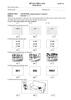
Task 2: Write the name of the leisure activities under each picture.
1. _________________
2. _________________
3. _________________
4. _________________
5. _________________
6. _________________.
7. _________________
8. _________________
Task 3: Write the correct form of the verbs.
1.
2.
3.
4.
5.
6.
7.
8.
9.
10.
11.
12.
13.
14.
Vietnamese students love __________________ picnic at the weekend.
(go)
I hate __________________ all day on__________________ fishing.
(spend – go)
People in Britain love __________________ tea with milk.
(drink)
Do you like __________________to music.
(listen)
Does Anna fancy__________________ horrible movies.
(watch)
I prefer __________________craft to __________________ a picture.
(make – draw)
Kate loves __________________ with her friends on her birthday.
(hang out)
I detest __________________ fish.
(eat)
Do you mind __________________off the TV?
(turn)
Does she adore __________________with handicapped students?
(work)
Do you fancy __________________ to the cinema this weekend?
(go)
I detest __________________. I think it's cruel to the animals.
(hunt)
Tom enjoys __________________ puzzles, especially Sodoku.
(do)
I am fond of __________________ photos. In my free time, I usually go out and take photos of people
and things.
(take)
15. My sister is keen on __________________. She wants to become a chef in the future. (cook)
4
Task 4: Add the words or phrases in the box to each group.
badminton
novel
museum
cards
yoga
cake
picnic
sport
fishing
DIY
newspaper
to local
tennis
friends
skateboarding
performances
origami
exercise
handmade
a poem
1. Playing: football,
______________________________________________________________________________
2. Doing: judo,
______________________________________________________________________________
3. Making: craft,
______________________________________________________________________________
4. Visiting: relatives,
______________________________________________________________________________
5. Going shopping,
______________________________________________________________________________
6. Reading: book,
______________________________________________________________________________
Task 5: Each of the sentences below has at least one mistake. Identify the mistakes and
rewrite the correct sentences in the spaces.
a. My friends and I are really keen on play computer games.
b. I really like to getting involved in team sports. It is good for building up co-operative skills.
c. Minh especially loving to spend her free time sleeping and being lazy in my room.
d. She enjoys go shopping on weekends and hang out with friends.
e. I am very interested in studying English.
B- SPEAKING
I. Complete the conversation with the words given in the box, then practice it with your partner.
do
o'clock
likes
like
and you
Mai: Do you (1)
roller skating, Mike?
Nick: Yes, I do. I go roller-skating every Saturday!
5
joke
afternoon
take
Mai: Oh, really? Where?
Nick: Well, I go to the park with my friends after school, at about five (2)
.
We roller-skate for about an hour and then we go home.
Mai: I go roller-skating too – but I go on Sunday. I go to the market with my mother in the morning, and
then I (3)
our dog for a walk. Then in the (4)
I go to
the park with my mother.
Nick: Your mother?
Mai: Yes, she (5)
roller-skating too, and she's good!
Nick: And what do you do on Saturday evening?
Mai: Oh, I usually go out with my friends. We have a drink together or go to the cinema. (6)
Nick: Oh, on Sunday I (7)
my homework.
Mai: What? Is that a(n) (8)
?
Nick: No! It's true!
Mai: Oh, Nick! Get a life!
Notes:
- roller-skating (n) = môn trượt pa-tanh; roller-skate (v) = trượt pa-tanh
- Get a life! = Thôi đi nào!
II. Complete the conversation, using the words or phrases given.
lots to see
come back
a good place why don't
somewhere different
Mai: Do you two still want to go away for the weekend – you know, on the 22nd?
Phuc: Yeah, definitely.
Nick: Yeah, I want to …
Mai: Because we talked about going to the countryside, do you remember?
Phuc: Oh, yes, I'd love to go there. People say it's (1)
for walking.
Nick: Mm, it's just that I went there last summer and the summer before. I'd like to try (2)
… a city maybe.
Mai: Yeah, I can understand that.
Phuc: (3)
we go to the suburbs for the weekend? There's something for all of us.
Mai: Yeah, there's (4)
: the temples, the pagodas, the woods.
Nick: It sounds great to me. We all like going out!
Phuc: And we can (5)
on the same day.
Mai: And should we bring some food and drinks with us?
Nick: That's right. It's a good idea, Mai.
Phuc: Great!
III. Put the conversation in the correct order then practice with your partners. The first and the
last are your cue.
A. Phuc: I think that "Adeline" is more interesting.
B. Phuc: Yes, sure. I'm free.
C. Mai: Let's me see. We have "Tomb of the Pharaoh Queen”; “you are my grandma" and "Adeline".
Do you love watching horrible movies or action movies?
6
D. Mai: Ok. See you soon.
E. Phuc: I will pick you up at 7:00. By the way, lend me your English exercise book.
F. Phuc: I am hooked on horrible movies.
G. Mai: Would you like to go to see a movie?
H. Mai: Are you free tonight, Phuc?
I.
Phuc: Yes, I'd love to. Which interesting movies are on?
J. Mai: Ok. So, we'll see "Adeline" in Platinum Movie Center at 7:30 pm.
K. Mai: That's interesting. Me, too. So, we can choose "Tomb of the Pharaoh Queen" or "Adeline".
Your answers:
1. H
2.
3.
4.
5.
6.
7.
8.
9.
10.
11. D
C - READING
I. A new report into teenagers' leisure time has some surprising results. Read it and fill in each blank
with the correct figure from the report.
In this digital age, many people think that young adults spend all their time on the computer. And a
new government survey of how young adults spend their leisure time says that 87 percent of people in the
UK between the ages of 13 to 19 use the Internet every day. But it's still important for young people to go
out with friends. And the most popular evening out is going to the cinema: 42 percent say it's their favorite
way to spend an evening.
For people who don't go out, not surprisingly, television is more popular than radio. 82 percent say
that they watch television for more than ten hours a week – mainly for films and news programmers – but
only 23 percent listen to radio.
Music is always a favorite topic, but it seems that many people listen to music than can play a
musical instrument. The survey reveals that 38 percent watch live music, but 30 percent of people between
13 and 19 can play a musical instrument.
Only 32 percent of young adults play sports; with football, swimming, and cycling as the most
popular activities. But that means that more than two-thirds don't play any sport!
Leisure Time Survey Of Teenagers In The UK
(1)
percent of teenagers use the Internet every day.
The most popular leisure activity is going to the cinema: (2)
percent say it is their favorite
evening activity.
(3)
percent of people say that that they watch TV for more than (4)
hours a
week, but only (5)
percent listen to the radio.
(6)
percent of young people watch live music, but only (7)
percent
can play a musical instrument.
Only (8)
percent of young adults play sports. Football, swimming, and cycling are the most
popular sports.
II.
Read the passage about Phong's weekend and answer the questions.
On Friday's afternoon, after school, I usually surf the Net or listen to music. In the evening I often go
to the cinema with my friends.
On Saturday morning I get up late and have breakfast. Then I play football with my classmates in the
park. In the afternoon I watch TV (usually a football match). In the evening I go to my best friend's place –
we sometimes play computer games, or we talk.
On Sunday morning I do my homework. Then I listen to music or watch TV. On Sunday evening I surf
the Net again or read a book.
7
1. Where does Phong often go on Friday evening?
→ ___________________________________________________________________.
2. When does he play football?
→ ___________________________________________________________________.
3. What does he watch on Saturday afternoon?
→ ___________________________________________________________________.
4. What does he do on Sunday morning?
→ ___________________________________________________________________.
5. When does he surf the Net?
→ ___________________________________________________________________.
III.
Read the passage carefully, and then answer the question below.
In the 1970s, skateboarding suddenly became very popular. At first, skateboarders moved slowly on
flat, smooth areas. Then they began to ride quickly. This is called 'freestyle' skateboarding. Soon they were
skateboarding skillfully up ramps and doing tricks in the air. This is called 'ramp' skateboarding. Then they
started skateboarding and doing tricks on the street. This was 'street-style' skateboarding – a combination of
freestyle and ramp. For this, the skateboarders needed protective clothing such as knee and elbow pads and
helmets. This allowed them to skateboard safely.
Today skateboarding is still a very popular sport, and there are lots of competitions.
Note: skateboarding (n) = môn trượt ván.
1. When did skateboarding become very popular?
→ ___________________________________________________________________.
2. What are the three styles of skateboarding?
→ ___________________________________________________________________.
3. What was 'street-style' skateboarding?
→ ___________________________________________________________________.
4. Why do 'street-style' skateboarders need protective clothing?
→ ___________________________________________________________________.
5. Do you think skateboarding is a very popular sport now? Why or why not?
→ ___________________________________________________________________.
IV.
Read the passage about British and American teenagers and answer the questions.
Sport: In the UK, football, rugby, tennis, and basketball are the most popular sports for teenagers. In the
USA, American football, athletics, basketball, and baseball are popular.
The Internet and television: Teenagers in both the UK and the USA today watch television less than before
but they use the Internet more. They spend over 25 hours a week online.
Pocket money and shopping: The average teenager in the UK gets about £7 a week's pocket money. In the
USA it is about $10. They spend their money on clothes and going out, but magazines, presents and snacks
are also important.
Friends: The average British and American teenager has seven close friends. He or she has sixteen online
friends on social network websites.
1. Which sports do British and American teenagers play in their free time?
FULL BỘ GIÁ ỔN ĐỊNH NHẤT ====>>>>>> XIN LIÊN HỆ ZALO O937-351-107
8




Các ý kiến mới nhất